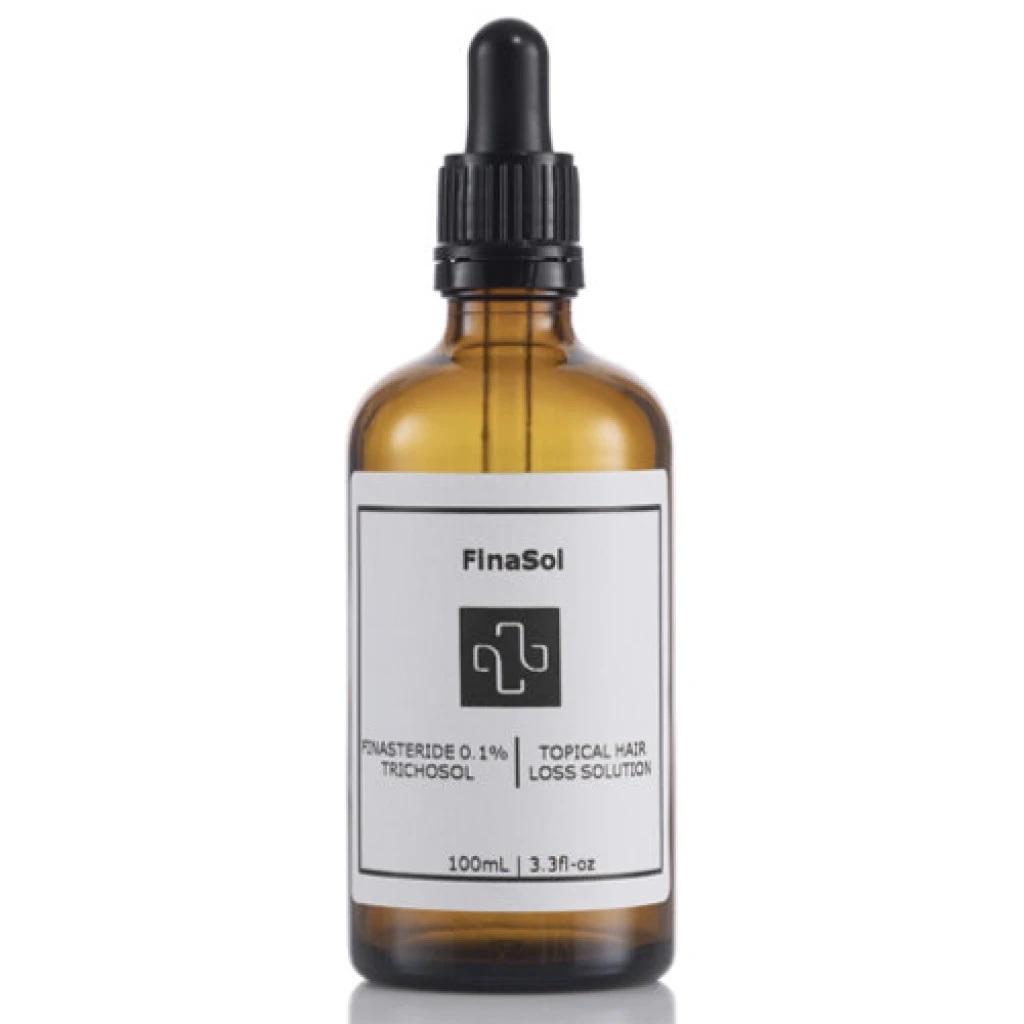

Sometimes a medicine is prescribed in a way that is not covered by its UK product licence. This does not mean that it is unsafe for use. This blog explains in more detail what ‘unlicensed’ and ‘off-label’ mean and why some medicines are used in this way.
You may wish to discuss this further with Dr Ball or your GP.
Medicines are products used to prevent or treat a medical condition. They can come as tablets, capsules, liquids, injections, inhalers, creams, eye drops/ointments, suppositories, and patches.
A drug company must have a product licence to advertise and sell a medicine. The licence will state which illness or condition the medicine can be used for; the age of patients it can be given to; how much to give and how to give it. The licence is provided by a government organisation called the MHRA (Medicines and Healthcare products Regulatory Agency).
To get a licence, the drug company must prove that the drug works for the illness or condition to be treated and is safe. They do this by trying it first in clinical trials, usually in adults aged 18-65 years. Information from the clinical trials is then given to the MHRA when the drug company applies for a licence. The drug company cannot advertise or make any recommendations about using a medicine outside the terms of its licence. The licensing process and clinical trials are very expensive. This means that once a drug is on the market, the company may decide not to try getting the original licence extended if it is found to treat other symptoms.
“Off-label” use means that the medicine is being used in a way that is different to that described in the licence.
Some examples of “off-label” uses are:
“Unlicensed use” means:
The manufacturer may have decided that it was too expensive to carry out the clinical trials or it would be difficult to find enough patients for the clinical trials needed to get a licence.

Dr Edward Maitland Ball is a member of the Royal College of Surgeons and a Fellow of the International Society of Hair Restoration Surgery. He is the founder and medical director of The Maitland Clinic.
Subscribe now to keep reading and get access to the full archive.